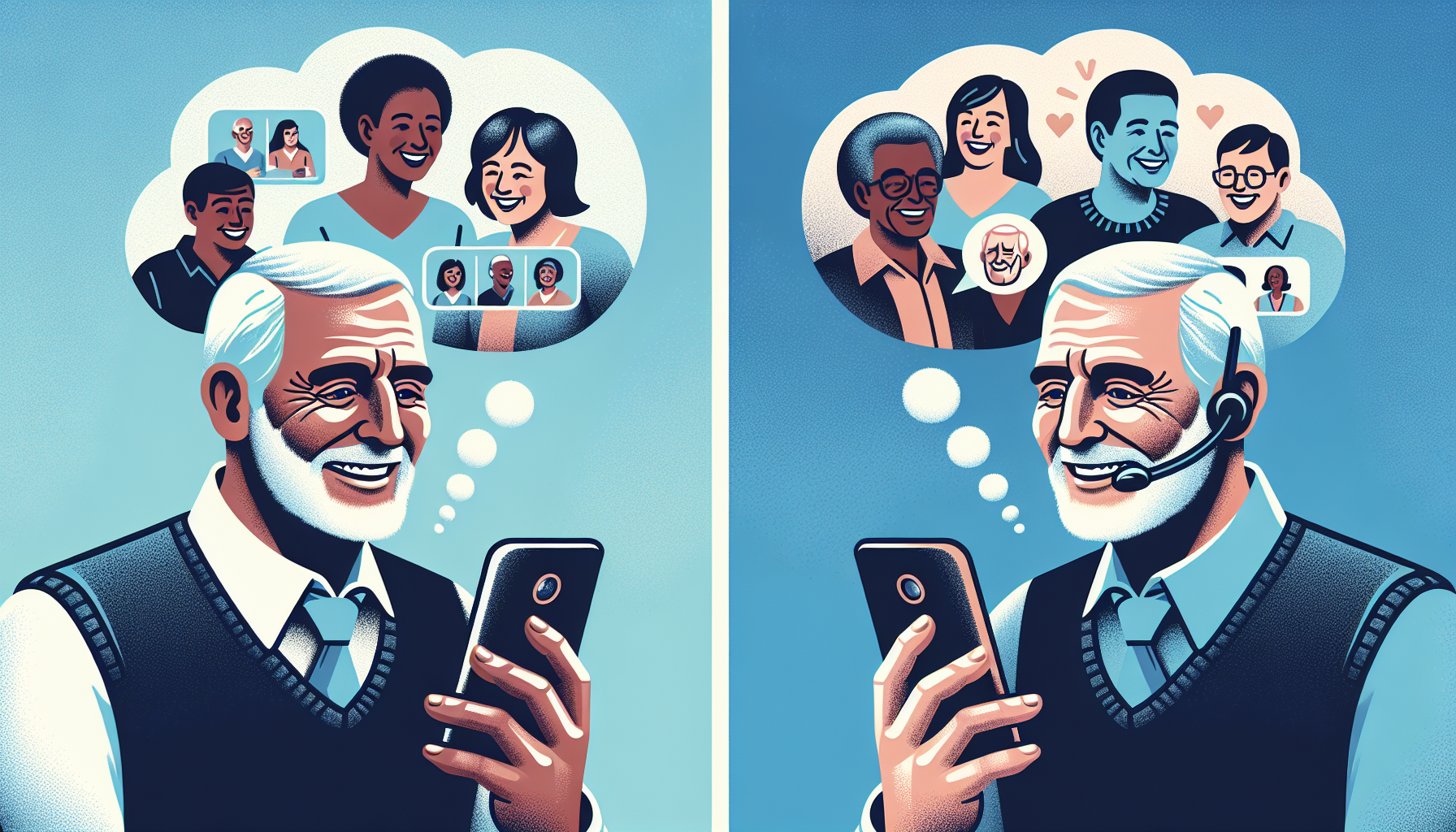
Loneliness isn’t just a passing emotion—it’s a significant health concern that affects older adults. Seniors struggle with social isolation, which can increase the risk of depression, cognitive decline, and even physical health problems like heart disease. While nothing replaces an in-person hug or a shared cup of coffee, technology has opened powerful new doors for connection.
The Power of Connection
Regular social contact is essential for well-being at any age, but it’s particularly important in later life. Studies show that maintaining friendships, staying engaged with family, and participating in group activities can help older adults stay healthier, happier, and more independent.

How Video Platforms Like Zoom Make a Difference
When in-person visits aren’t possible, video calling platforms like Zoom, Skype, and FaceTime offer the next best thing. Unlike a phone call, video chats bring faces, smiles, and even laughs into view, providing richer, more personal interactions.
Research backs this up: A 2021 pilot study found that group interventions via Zoom significantly reduced loneliness and depressive symptoms in older adults. Other studies report that seeing loved ones—even on a screen—can improve mood, reduce feelings of isolation, and help maintain cognitive skills.
What Makes Video Special?
- Visual cues and facial expressions enhance communication
- Group calls allow multiple family members to “gather” at once
- Activities (like singing, games, or shared meals) are more engaging on video
Tips for Using Video Calls with Seniors
1. Choose the Right Platform: Zoom, Skype, FaceTime, and Google Meet are all popular choices. Pick one that's easy to use for both the senior and their contacts.
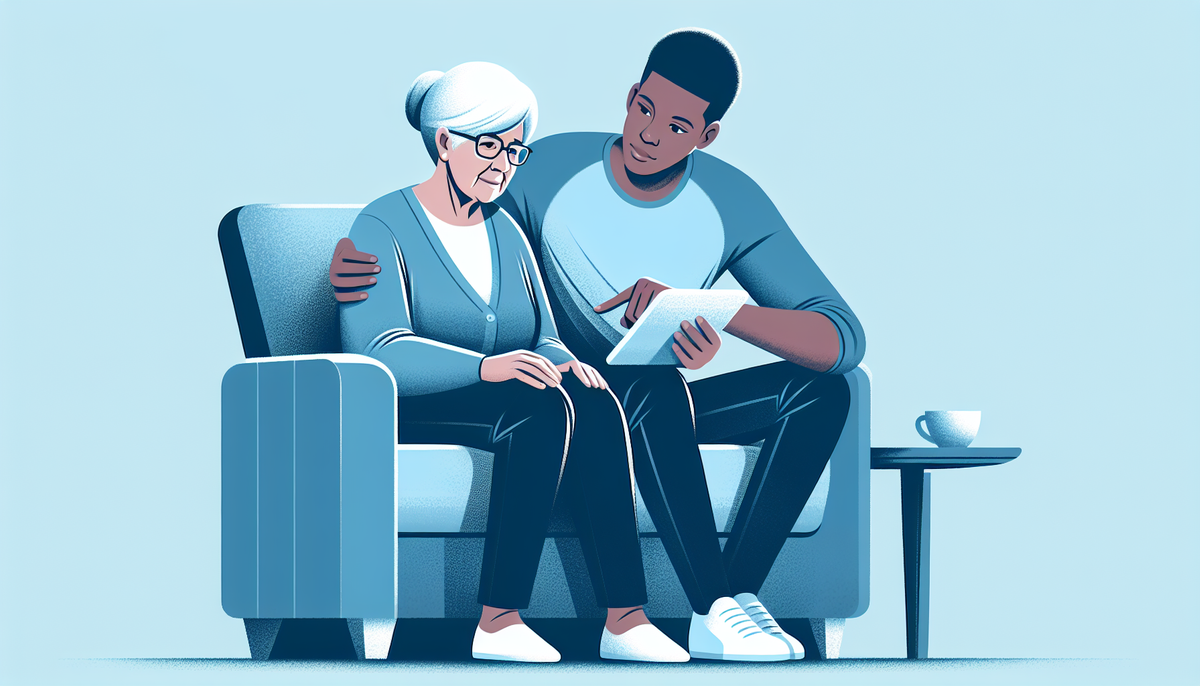
2. Offer Tech Support: Many older adults may need help learning the basics. Short guides, patient walkthroughs, and ongoing support can make all the difference.
3. Make It Special: Plan calls around meaningful activities—virtual family dinners, group quizzes, book clubs, or celebrating birthdays online.
4. Mind Accessibility: Adjust font sizes, ensure good lighting, and use larger screens or tablets when possible to make participation easier.
Be Creative!
- Family Gatherings: Hold virtual reunions, celebrate holidays, or just catch up over coffee.
- Intergenerational Activities: Connect grandchildren and grandparents for story time, shared music, or art projects online. Studies show intergenerational video calls boost well-being for all ages.
- Group Support: Many community centers and support groups now meet online, reducing barriers for homebound or mobility-limited elders.
Overcoming Barriers
- Start Slow: Begin with one-on-one calls to build confidence before joining larger groups.
- Offer Training: Practice sessions and simple “how-to” sheets can help.
- Adapt for Needs: Use headphones for hearing support, and consider shorter, more frequent calls for those with cognitive changes or fatigue.
Stay Healthy by Staying Social
Video platforms like Zoom are much more than a tech trend—they’re lifelines for older adults facing loneliness. With a little support and creativity, anyone can use these tools to strengthen relationships, share laughter, and build vital social connections.
Every smile shared makes a difference.
References
- Digital group interventions can support older people’s mental health during crises (ScienceDirect)
- Video-calls to reduce loneliness and social isolation within care environments for older people: an implementation study using collaborative action research (BMC Geriatrics, 2018)
- A pilot randomized controlled trial of a group intervention via Zoom to relieve loneliness and depressive symptoms among older persons during the COVID-19 outbreak (NCBI, 2021)
- Technology Use to Bridge the Gap of Social Distancing during COVID-19 (Journal of Geriatric Medicine and Gerontology, 2020)
- Emotional Well-Being and Use of Technology During COVID-19 Social Isolation in a Predominantly Minority Older-Adult Population (Springer, 2022)
- Intergenerational Zoom Music Therapy Group During COVID-19 (NCBI, 2021)
- Virtual Groups to Address the Health of Homebound Adults During COVID-19 (NCBI, 2021)