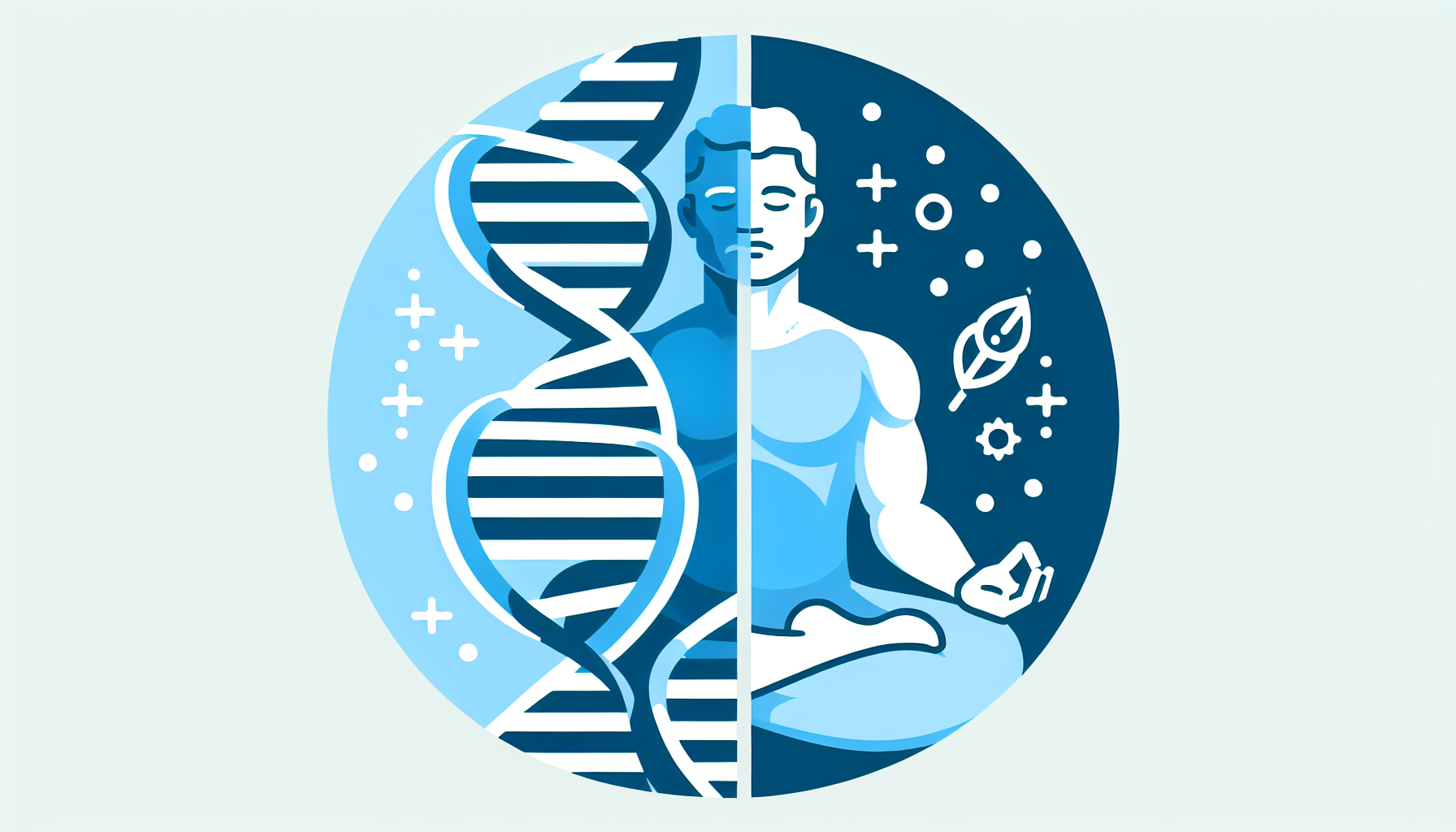
Lifestyle vs Genetics
The age-old question of why some people live long, healthy lives while others do not has fascinated many of us. Scientists and healthcare professionals have studied what influences healthy aging. Is longevity a gift from our ancestors encoded deep in our DNA, or does it rely more on decades of healthy habits and day-to-day choices? As centenarians—those who reach 100 years and beyond—are interviewed about their secrets, we gain clues from both their lived experience and the expanding field of aging research. Let’s unpack the roles of lifestyle and genetics, and what you can do to stack the odds in your favor.
What Really Shapes How We Age?
The Genetic Blueprint
Many scientific studies, including twin and family research, suggest that genetics account for about 25–30% of the variation in human lifespan (Passarino et al., 2016). The genetic variants found in genes related to cell maintenance, repair, and the immune system (for example, the famous APOE gene) are associated with both aging and age-related diseases. Some families appear more likely to achieve exceptional longevity, pointing to the power of “God-given” traits.!A graphic representation of a 'buffer', maybe a shield or protective barrier, with harmful elements (such as junk food, a sedentary lifestyle symbol, or stress icon) being deflected off it. This would illustrate the concept of longevity genes acting as 'buffers' against unhealthy habits.
But genetics aren’t destiny. Even people carrying genes that increase their risk of certain conditions can often delay or avoid disease with the right lifestyle and environment (Passarino et al., 2014). And genes that promote longevity may act more as “buffers,” protecting against the effects of less healthy habits (Rajpathak et al., 2018).
The Lifestyle Equation!A vector illustration of a centenarian's face, full of wisdom and vitality. Overlay the face with subtle, light blue DNA strands and icons representing healthy habits (like a small fruit, a yoga pose, a bicycle) to symbolize the fusion of genetics and lifestyle in contributing to their longevity.
Decades of research now show that how we eat, move, connect, and manage stress can significantly affect how well we age. This is true even well into our advanced years. New large-scale studies of centenarians and “super-agers” continually reinforce the importance of certain habits (Li et al., 2024):
- Not smoking, or quitting
- Regular physical activity (walking, gardening, daily movement)
- Balanced and diverse diet (rich in plants, moderate in calories, low in processed foods)
- Maintaining strong social connections
- Managing stress and cultivating purpose
In China’s largest study of people over 80, those with the healthiest lifestyles (non-smokers, exercisers, diverse eaters) were 1.6 times more likely to reach 100 (Li et al., 2024).
Centenarians interviewed in Western populations—such as those in the AARP article—often emphasize moderation, a positive attitude, social engagement, and staying active as their own crucial habits.
Centenarians: Nature and Nurture in Action
Interestingly, studies of people who live exceptionally long often reveal that their lifestyle habits are not always dramatically better than average. For example, some centenarians were moderate drinkers, some smoked in their youth, and their BMIs often fell within the range of the general population (Rajpathak et al., 2018). This hints that in rare individuals, strong genetic factors might offer additional protection.
But—crucially—most of us don’t carry all these protective genes! We benefit most from focusing on the things we can control.
Finding the Balance: Why Both Matter
The current consensus is clear: Both biology and behavior play vital roles. Genetics may set the playing field, but habits largely determine how the game goes. Even in those with strong genetic risk factors for disease, healthy lifestyle changes can lower risk and compress disability to later years (Passarino et al., 2016).
Excitingly, new research shows that even adopting better lifestyle choices in old age will make a real difference (Li et al., 2024).
Actionable Tips for Healthy Aging
1. Don’t Wait for “Good Genes”: Take Action
- Move regularly—any activity is better than none.
- Eat more plants and fewer processed foods.
- Quit smoking and drink only in moderation, if at all.
- Prioritize sleep and stress management.
- Stay connected—maintain relationships and seek community.
2. Embrace the Power of Attitude
- Many centenarians emphasize optimism, humor, flexibility, and purpose as keys to long life.
3. Know Your Family History—but Don’t Let It Define You
- Understanding your risks is empowering, not limiting. Use that knowledge to motivate healthier choices.
!Create a vector illustration of a family tree, with the branches representing DNA strands. On each branch, show different generations of the same family engaged in various healthy activities. This image should encapsulate the concept of both genetic inheritance and lifestyle habits contributing to longevity.Conclusion: Choosing Your Path to Healthy Longevity
While we can’t choose our genetic hand, we have tremendous power to influence our health span through daily choices. Draw inspiration from centenarians’ wisdom—moderation, movement, meaning, and connection—and take steps today that stack the odds for a longer, healthier, more meaningful life.
References and Further Reading:
- Li Y, et al. Healthy Lifestyle and the Likelihood of Becoming a Centenarian. JAMA Netw Open. 2024.
- Rajpathak SN, et al. Lifestyle Factors of People with Exceptional Longevity. J Am Geriatr Soc. 2011.
- Passarino G, et al. Human longevity: Genetics or Lifestyle? It takes two to tango. Immun Ageing. 2016.
- AARP: Life Advice From Centenarians