
Aging is a journey, and as we grow older, deciding where and how to live becomes one of the most important decisions we’ll face. The good news? Today’s seniors have more choices, more support, and more vibrant communities than ever before. But with all the options, how do you know which type of senior living is right for you or your loved one?
If you’re feeling overwhelmed understanding the options, you’re not alone. This guide will walk you through the main types of senior living—what they offer, who they’re best suited for, and what to consider—so you can make an informed and confident decision.
Independent Living Communities: Active Living, Less Worry
Independent Living is all about freedom and convenience for active seniors. Imagine a neighborhood or apartment complex designed for those 55+, where you don’t have to shovel snow, mow the lawn, or worry about home repairs. Many communities also offer optional dining plans, social clubs, fitness centers, and group outings, making it easy to stay active and connect with new friends.
Is Independent Living right for you? It’s great for seniors who want a vibrant social life and fewer chores, and who are able to manage their day-to-day needs with little assistance. Or, they can hire additional personal caregivers to provide individualized care in their apartment.
Pros:
- Maintenance-free lifestyle
- Many social activities and amenities
- Sense of community
- Sense of safety and security
- Accessible setting for people with limited mobility
Considerations or Limitations:
- No personal care or medical services included
- No oversight of medical care plans or help coordinating medical appointments
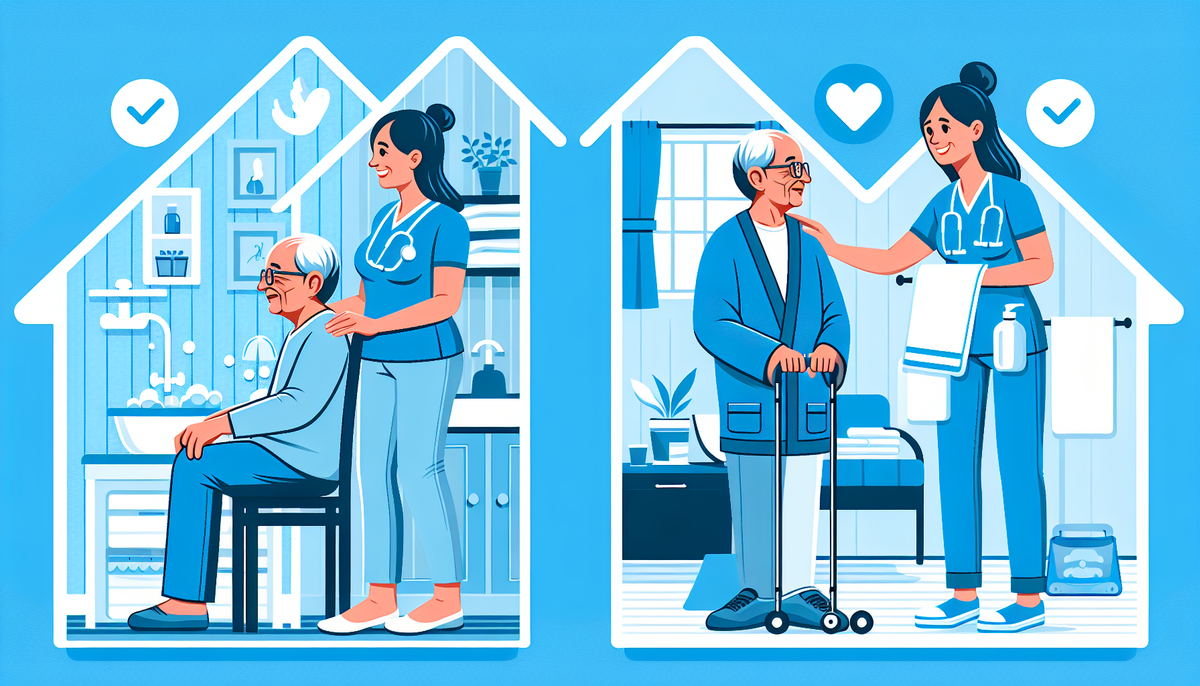
Assisted Living: Support with a Smile
As you or your loved one begins to need a little help—maybe with bathing, dressing, or remembering medications—Assisted Living can be a perfect fit. Residents enjoy their own apartments while having caring staff available 24/7 for extra support. Meals, housekeeping, transportation, and wellness programs are typically included.
Who benefits most? Seniors who value independence but need a helping hand with daily routines.
Pros:
- Assistance with daily activities like getting dressed, medications, toileting, and bathing
- Maintenance-free living
- Opportunities for social engagement
- Provides all 3 meals a day, housekeeping, and laundry
- Transportation
- Often have nurses who can help with medical care, and coordinate medical appointments and care plans
Considerations or Limitations:
- Higher cost than independent living
- May not be equipped for complex medical needs like feeding tubes, chronic non-healing wounds, or assistance getting from a bed to wheelchair when it requires two people or a mechanical lift

Memory Care: Specialized Support for Memory Loss
Memory Care communities are designed for people with Alzheimer’s, dementia, or other memory-related conditions. These secure environments feature trained staff who provide structured routines, compassionate care, and engaging therapies tailored to each resident’s abilities.
A good match for: Seniors who need a safe, structured place due to memory impairment.
Pros:
- Specialized care and activities
- Secure, safe environments
- Help with medications, daily personal care (showering, brushing teeth, getting dressed)
- All meals, housekeeping, and laundry
- Specially trained staff who understand dementia and provide care that creates a calm, comfortable environment
- Often have nurses who can manage medical needs and coordinate medical care plans
Considerations:
- More expensive due to higher staffing and security needs
Nursing Homes (Long Term Care Facilities): Medical Care Around the Clock
For those with chronic illnesses and complex health conditions, Nursing Homes offer round-the-clock medical care and personal care. In addition to helping with daily care activities, residents receive care from licensed nurses and therapists.
Best for: Seniors requiring intensive medical care and supervision.
Pros:
- 24/7 skilled nursing and medical care
- All meals, housekeeping, and laundry are provided
- Care is overseen by a primary care provider, clinical director, and licensed nurse
- Specialized medical care like therapy, dialysis, wound care, neurology, and cardiac care are provided on-site
- Transportation is provided
- Planned activities and outings
- Also offer secure areas for residents with dementia
Considerations:
- Less privacy and independence
- Typically the more expensive than assisted living or residential memorycare
Continuing Care Retirement Communities (CCRCs): All-in-One Solution
CCRCs offer the ultimate in flexibility. These communities provide several levels of care—independent, assisted, and nursing—on the same campus. Residents can transition smoothly as their needs change, without having to move far.
Perfect for: Those wanting long-term security and peace of mind.
Pros:
- Flexibility for changing needs
- Community continuity
- Staff support transitions from one level of care to the next
Considerations:
- Many are “buy-in” communities with hefty entrance fees and contracts
- Can be costly overall

Aging in Place: Staying Home, Staying Comfortable
For many, the idea of staying in their own home is most appealing. Aging in Place involves making home modifications and hiring in-home help for personal care, housekeeping, meals, and even medical needs.
Best suited for: Seniors with a strong support network and few daily care needs; OR who have the financial means to hire more personal, in-home care as their needs increase.
Pros:
- Comfort of familiar surroundings
- Control over daily routines
Considerations:
- Can lead to isolation without adequate social support
- Safety and accessibility issues may arise
- Cost of bringing personal care into the home, while maintaining the home, can quickly become more expensive than assisted living
Other Senior Living Options
- Residential Care Homes: Similar to assisted living; Smaller, home-like settings with personalized care.
- Respite Care: Short-term stays in assisted living or long-term care (nursing home) for recovery or caregiver relief.
- Hospice Care: Compassionate end-of-life support, focused on comfort; provided wherever you live: at home or in a nursing home

How Do You Choose?
With so many options, narrowing down the best fit comes down to your health, lifestyle, budget, and future needs. Here are some tips:
- Evaluate care needs: Consider daily care needs and any ongoing medical conditions.
- Prioritize lifestyle: What’s most important—social activities, privacy, amenities?
- Budget honestly: Factor in all monthly and entrance fees; research what insurance or aid may cover.
- Tour and ask questions: Visit communities, talk to residents, and get a feel for the place.
- Plan for the future: Understand how the senior community can meet changing needs.
Conclusion: Your Next Chapter, Your Choice
Choosing the right senior living option is about more than care—it’s about quality of life and peace of mind. Take your time, involve family or trusted advisors, and tour several communities. Whichever path you choose, remember: the goal is to ensure safety, comfort, and fulfillment for you or your loved one.
If you’re looking for more resources or personalized guidance, don’t hesitate to reach out to local senior living advisors, eldercare consultants, or consult reputable sites like AARP’s Senior Care Resources and National Institute on Aging.
Your next chapter is waiting—make it the one you want, with the support you deserve.
Embracing a New Chapter: Finding the Right Senior Living Option
Life is a journey filled with significant decisions, especially as we grow older. For many seniors, the choice of where to live next can be a mix of heartache, hope, and new opportunities. If you or a loved one is facing this transition, know that you're not alone—many have walked this path and found happiness and fulfillment in new surroundings.
Let me tell you about Eleanor, a woman in her late seventies who recently faced a life-altering change. Her beloved husband, George, passed away earlier this year, leaving her with a beautiful but enormous home they built together. While her house was full of memories, the upkeep had become overwhelming. The yard was hard to maintain, the stairs were becoming a challenge, and she longed for companionship and support.
Eleanor decided it was time for a change. She wanted to stay close to her current community, near her grandchildren and her favorite shops, but she didn't like the burdens of managing a large house anymore. That’s when she started exploring senior living options—discovering a new chapter that promised not just care, but community, independence, and peace of mind.
A Personal Story of Finding Freedom from Home Maintenance
Take the story of Margaret, a widow in her early seventies. She had devoted her married life to caring for a large family home that her late husband lovingly maintained. However, after her husband's passing, Margaret found herself overwhelmed by the constant repairs, yard work, and household chores that once his careful hands managed.
One day, Margaret realized she no longer wanted to spend her days cleaning gutters, fixing leaky faucets, or worrying if the furnace would break down in the middle of winter. Her children suggested she consider moving to an independent living community, not just for safety and care, but for her happiness and peace of mind.
She visited a nearby senior community, and in those first moments, she felt a sense of relief. The community offered beautiful apartments, engaging social activities, and services like transportation—all without the burden of homeownership. Now, Margaret enjoys her days socializing with new friends, taking part in activities she loves, and simply relaxing without the constant worry of maintenance. Her days of managing a large home are behind her, replaced by a new sense of freedom and joy.
Exploring the Senior Living Options
As Eleanor’s and Margaret’s stories illustrate, there are many senior living options tailored to different needs:
- Independent Living: Perfect for active seniors seeking a maintenance-free lifestyle with social activities and community amenities.
- Assisted Living: For those who need help with daily tasks like medication management or bathing but still value independence.
- Memory Care: Specialized environments designed for seniors with Alzheimer’s or other types of dementia.
- Long-Term Care (nursing home): For those requiring intensive, round-the-clock medical support.
- Continuing Care Retirement Communities: Offering a continuum of care within one community, adapting to changing needs.
- Home Care: Assistance with non-medical care needs, provided in the comfort of one’s own home for added flexibility and familiarity.
Making the Transition
Deciding to move into a senior living community is never easy—it’s a profoundly personal step filled with mixed emotions. Eleanor and Margaret both visited communities, spoke with staff, and envisioned what life might look like in their new homes. They found comfort in the thought that this change was a positive move toward enjoying their golden years.
When contemplating a move, consider your personal needs, your lifestyle, and your future. Visiting different communities, asking questions, and imagining yourself in each space can make the decision more transparent and more comfortable.
A Bright Future Ahead
Eleanor’s and Margaret’s stories remind us that embracing new living arrangements isn’t about giving up independence; it’s about gaining a lifestyle filled with support, companionship, and peace of mind. Whether it’s the freedom of independent living or the reassurance of assisted options, there’s a solution suited to everyone.
If you or a loved one is considering this vital step, remember: it’s okay to seek help, explore options, and look forward to new experiences. A new chapter awaits—one filled with opportunities to connect, grow, and enjoy each day.
Resources and Next Steps
- Visit local senior communities
- Talk with friends or family who have made similar transitions
- Consult with a senior care professional for personalized guidance
Life is about living fully—and sometimes, that means stepping into a new community where every day can be joyful and meaningful.
Start your aging-parent legal & financial checklist
Aging Sidekick walks you through the documents, decisions, and benefits programs that matter for your specific situation — not a generic checklist. It's not legal or financial advice; it's an organized starting point for the conversation with your attorney or advisor.
Start your checklistSee how Aging Sidekick works →