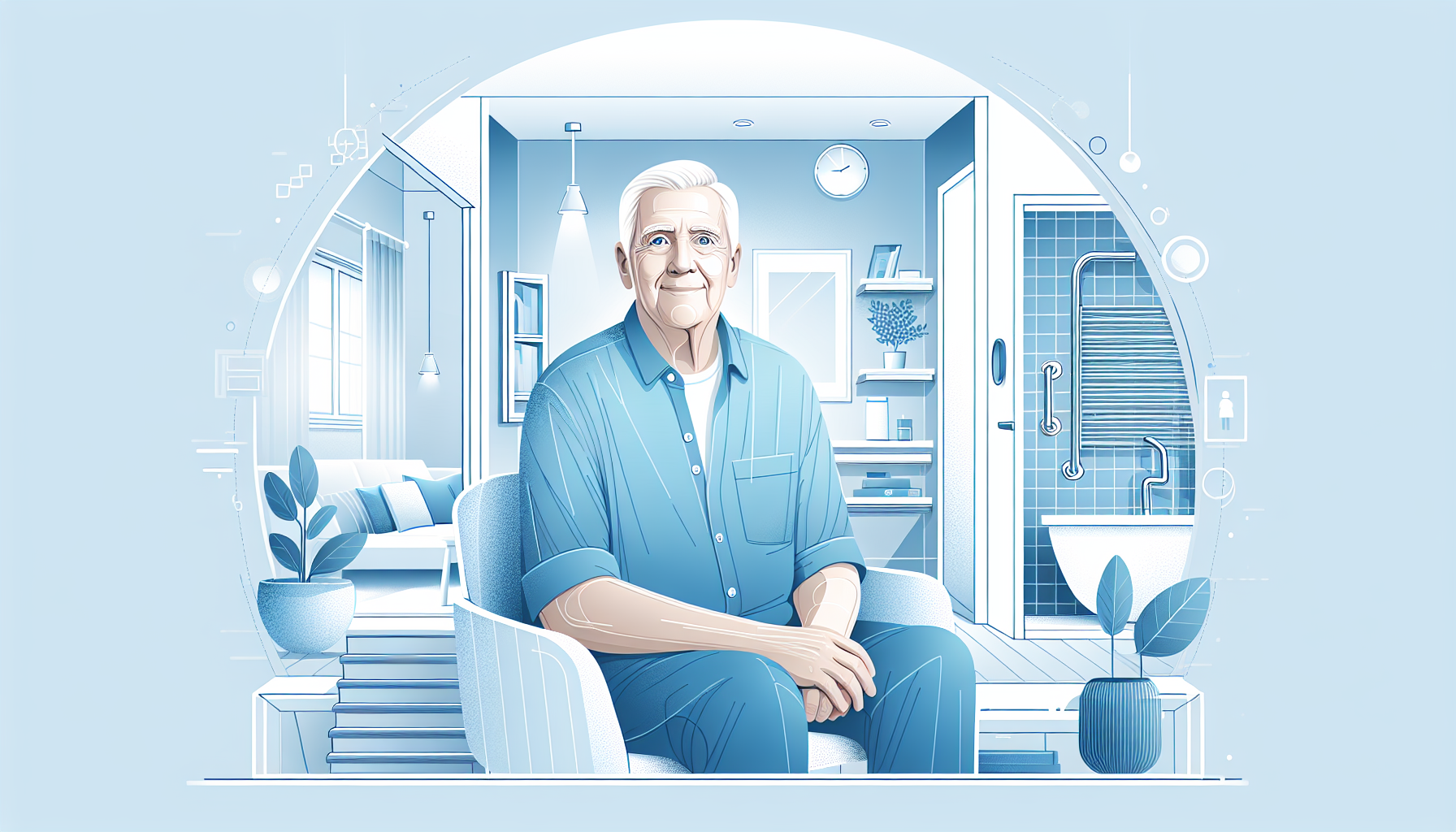
Aging in Place: Creating a Safe and Comfortable Home for Seniors
Aging in place refers to seniors' desire and ability to live in their own homes safely, independently, and comfortably, regardless of age or ability level. As people live longer, healthier lives, the preference for aging in place has increased. However, to accommodate the evolving needs of seniors, homes often require modifications to enhance accessibility and safety. Today only 10% of all homes in the U.S. are considered accessible for safely aging in place, yet most seniors want to stay in their homes. Here are some insights and suggestions for creating a senior-friendly environment that supports aging in place 
Understanding the Needs
Aging in place is not just about staying in one's home; it's about maintaining quality of life. This includes physical safety, emotional well-being, social engagement, and financial stability. Key challenges include mobility limitations, cognitive changes, and sensory impairments, which make everyday tasks difficult and increase the risk of accidents.
Benefits of Aging in Place
- Familiarity: Being in a familiar environment can reduce stress and confusion, particularly for those with cognitive impairments.
- Independence: Remaining at home allows seniors to maintain their lifestyle and daily routines.
- Cost-effective: Aging in place is often more affordable than assisted living or nursing homes.
- Community and Connections: Staying close to family, friends, and community resources helps combat loneliness and social isolation.
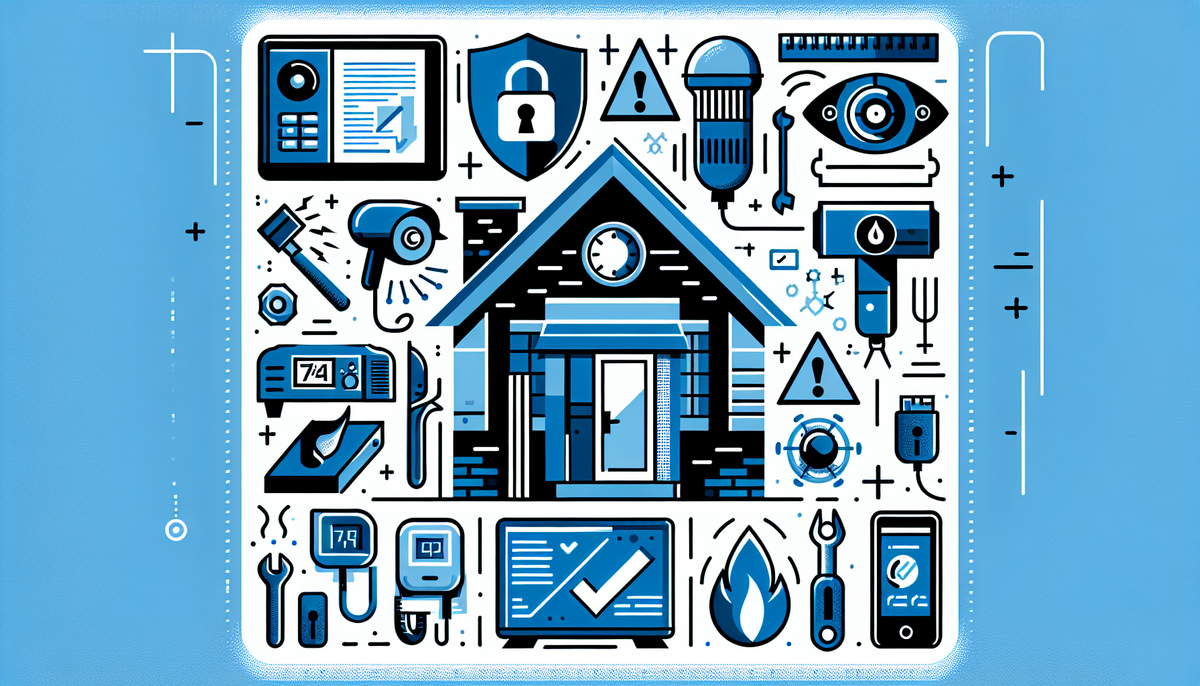
Modifications for a Safe Home
Creating a safe home environment is crucial for aging in place. Here are ten key modifications to consider:
- Eliminate Tripping Hazards: Remove loose rugs, repair uneven flooring, and secure electrical cords to prevent falls.
- Improve Lighting: To enhance visibility, install bright, non-glare lighting throughout the home, especially in hallways, staircases, and entranceways.
- Bathroom Safety: Equip bathrooms with grab bars in tubs and showers, install non-slip mats, and consider a walk-in tub or shower for easier access.
- Stair Accessibility: If stairs are unavoidable, consider installing a stairlift or a home elevator. Ensure handrails are sturdy and extend beyond the top and bottom of the stairs.
- Entryway Modifications: Install ramps or threshold ramps for wheelchair access. Ensure doorways (at least 32 inches) are wide enough to accommodate mobility devices.
- Kitchen Adjustments: Lower countertops and install pull-out shelves and drawers for easier access. Consider appliances with safety features such as automatic brightness.
- Install Smart Home Technology: Use bright lighting, security, and climate control systems to enhance safety and convenience. Personal emergency response systems can also provide peace of mind.
- Bedroom Safety: Make beds at a comfortable height so people can easily get in and out. Install bedside grab bars and ensure easy access to a phone.
- Emergency Preparedness: Keep emergency contact information visible and easily accessible. Install smoke and carbon monoxide detectors with easy-to-hear alarms. 
- Outdoor Safety: Level walking paths, add railings, and ensure good lighting to prevent slips and falls outside the home.
Challenges of Aging In Place
Aging in place offers many benefits for seniors, but it also comes with challenges that must be addressed to ensure safety and comfort. Here are ten common issues seniors face when trying to age in place in their existing homes, along with suggested solutions:
- Mobility and Accessibility Challenges
Issue: Difficulty navigating stairs, narrow doorways, and uneven floors.
Solution: Install stairlifts, widen doorways, use ramps, and ensure a level floor.
 2. Risk of Falls
Issue: High risk of falls due to slippery surfaces, clutter, and poor lighting.
Solution: Use non-slip mats, clear pathways of clutter, and enhance lighting throughout the home.
- Bathroom Safety
Issue: Bathrooms with high tubs and low toilets present significant fall risks. 
Solution: Install grab bars, use raised toilet seats, and consider adding a walk-in tub or shower.
- Cognitive Decline
Issue: Memory issues can lead to forgetting to take medication or turn off appliances. 
Solution: Use medication management systems and appliances with automatic shut-off features.
- Sensory Impairments
Issue: Decreased vision or hearing can make it difficult to navigate the home and respond to emergencies.
Solution: Enhance lighting, install contrasting colors for better visibility, and use amplified phones and visual alert systems.
- Social Isolation
Issue: Limited mobility or transportation options can lead to loneliness and isolation. 
Solution: Set up video-calling technology, schedule regular visits with family and friends, and explore community transportation services.
- Home Maintenance
Issue: Difficulty keeping up with home repairs and maintenance tasks.
Solution: Hire professional services for regular maintenance and create a manageable maintenance schedule.
- Emergency Preparedness
Issue: Lack of preparation for medical emergencies or natural disasters. 
Solution: Install personal emergency response systems, keep emergency kits handy, and develop an emergency plan with family members.
- Cognitive Overload from Technology
Issue: Difficulty understanding or using new technology to help with aging in place.
Solution: Provide simple, user-friendly devices and offer training sessions to help seniors become comfortable with technology.
- Financial Concerns changes can be prohibitive.
Issue: Home modifications and ongoing care costs can be prohibitive.
Solution: Explore financial assistance programs, determine insurance coverage for modifications, and prioritize changes based on immediate needs.
Conclusion
Aging in place is an attractive option for many seniors, offering comfort, independence, and a continued connection to their communities. By making thoughtful modifications to the home, seniors can enjoy a safer and more accommodating living environment that supports their needs as they age. Families and caregivers should regularly reassess the home environment and adjust as needs change, ensuring that seniors enjoy their home sweet home for as long as possible. By addressing these challenges, seniors and their families can create a safer, more supportive environment that facilitates aging. Regular assessments of the home and the individual's needs can help ensure ongoing comfort and safety.
National Council on Aging (NCOA): Aging in Place Resources https://www.ncoa.org/aging-in-place/
National Institute on Aging (NIA): Aging in Place — Growing Older at Home https://www.nia.nih.gov/health/aging-place/aging-place-growing-older-home
Eldercare Locator (U.S. Administration for Community Living) https://eldercare.acl.gov/home
AARP HomeFit Guide https://www.aarp.org/livable-communities/housing/info-2020/homefit-guide.html Ind support for seniors across the U.S.